
Taking On Student Loans: The Ultimate Guide
Confused about student loans? We got you covered! Here’s everything you need to know to manage student debt with confidence.
Key Takeaways
- Understanding your student loan is one of the most crucial steps to repayment. Make sure you know your loan balance, interest rate, and repayment timeline.
- Managing your loan is more than just making minimum payments. Taking steps to prepare for repayment and refinancing to get better loan terms can help you stay in control.
- You deserve support while repaying your loan. Consider all your options, including student loan forgiveness, employer benefits, and crowdfunding.
When it comes to student loans, knowledge is power. From understanding your loan to strategizing faster repayment, we’ve broken down the information and resources you need to conquer your student debt.
The Basics of Student Loans
The first step to conquering student debt is understanding your loan and how it works. Each loan is different, so you’ll want to keep track of several elements: the amount borrowed, the principal, the interest rate, and the repayment timeline. These things determine your minimum monthly payment, or how much you’ll owe to the lender each month. You can find all this information on your loan statement or within the account portal.
Learn more about the components of student loans and find out which types of loans may be right for you:
- How Does Student Loan Interest Work?
- Student Loan Variable or Fixed: Which is Right for You?
- Your Guide to Income-Driven Repayment (IDR) Options
- Federal vs. Private Loans: What’s the Difference?

Managing Your Loan
Preparing for repayment, maintaining your monthly payments, and getting the best loan terms for you are all part of managing your loan. Staying on top of it keeps you in control, rather than the other way around.
Note that student loans (especially federal loans) are often changing: new repayment options, updated requirements for forgiveness, and adjusted borrowing caps. It’s important to remain informed and take steps to protect yourself and your loan.
Preparing for Repayment
Setting yourself up for successful repayment starts before your first payment is due. By learning about loans early and reducing the amount you need to borrow, you can save thousands of dollars in the long run. Some common strategies include minimizing the cost of classes, finding alternative ways to pay for college, and paying toward your loan before interest starts accruing.
We compiled the many strategies to minimize your loans and prepare for repayment below:
- Debt vs. Service: Advice to Future Borrowers
- How to Minimize Student Loans While in College
- How to Prepare for Federal Student Loan Repayment
Making Monthly Payments
The most important thing you can do for your loan is make consistent payments. Staying on top of your minimum monthly payment keeps you on track and in good standing with your lender.
When you miss a payment, you automatically go into delinquency (90 days without payment), and if it becomes a pattern, you’ll default (270 days without payment). Both impact your credit score, which could make it hard to reach other goals like buying a car or homeownership.
Creating a budget and paying by the due date is the best way to stay in control of your loan.
- How Much Do You Need to Afford Student Loan Payments?
- The 50-30-20 Rule: How to Budget Your Way Out of Student Loan Debt
- The Hidden Dangers of Income-Based Student Loan Repayment Plans
- The Benefits and Pitfalls of Student Loan Autopay
Adjusting Your Loan
Taking on a loan is a big deal, but you’re not stuck with your original loan terms forever. You can adjust your terms – interest rate, repayment timeline, minimum monthly payment – by refinancing. Refinancing creates a new loan from your old one. You’ll still owe the same amount, but you may get better loan terms that make it easier (or faster) to pay it off.
Another way to adjust multiple loans is to consolidate them. Consolidation combines several loans into one, meaning there’s less things to keep track of.
Learn more about refinancing and consolidation:
- Student Loan Refinancing: What You Need to Know
- Student Loan Consolidation or Refinance: A Guide to Making the Right Choice
- Refinancing and origination
- Pick your monthly payment with Earnest (partner page)
- Get flexible repayment terms with ELFI (partner page)
Repayment Strategies
Repayment is about more than your minimum monthly payments. Any extra you put toward your loan can save you significant time and money.
That’s why your paycheck shouldn’t be your only form of support. There are many ways to supplement your payments, and depending on your circumstances, you may be able to have your loan balance waived. In this section, we cover ways you can gain extra support while paying down your loan.
- A Simple Guide to Student Loan Repayment Strategies
- Student Loan Payoff Calculator
- Lump Sum Extra Payment Calculator
Student Loan Forgiveness
Federal student loans can be forgiven (which is when the remaining balance is canceled) under certain circumstances. Most income-driven repayment (IDR) plans forgive the remaining balance after 20-25 years, and the new Repayment Assistance Plan (RAP) forgives loans after 30 years.
Depending on your employer, you may be eligible for Public Service Loan Forgiveness (PSLF) which forgives your federal loan balance after 120 qualified payments. See the resources below to learn more about PSLF:
- PSLF Cheatsheet
- Navigating Public Service Loan Forgiveness
- Public Service Loan Forgiveness: Debunking Common Misconceptions
Employer Benefits
All employers can offer student loan assistance as part of their benefits package (and up to $5,250 per employee can be tax-free for them and for you!). Student loan assistance benefits take many forms: regular contributions from the employer, PTO or bonuses put toward your loans, and even payroll deductions set by employees. Sending funds straight to your loan can have tax advantages, meaning more of that amount actually pays off your principal.
- Employer Student Loan Repayment: The Ultimate Guide
- How to Ask Your Employer for a Student Loan Repayment Benefit: A Step-by-Step Guide
- Employer Student Loan Assistance: How to Get Employers to Pay for Student Loans
- Tuition Reimbursement vs Student Loan Repayment Benefit: Which One is Right for You?
Did you know your retirement benefits could help pay off your student loans?
Ask your HR department about 401k matching for student loans payments.
Crowdfunding
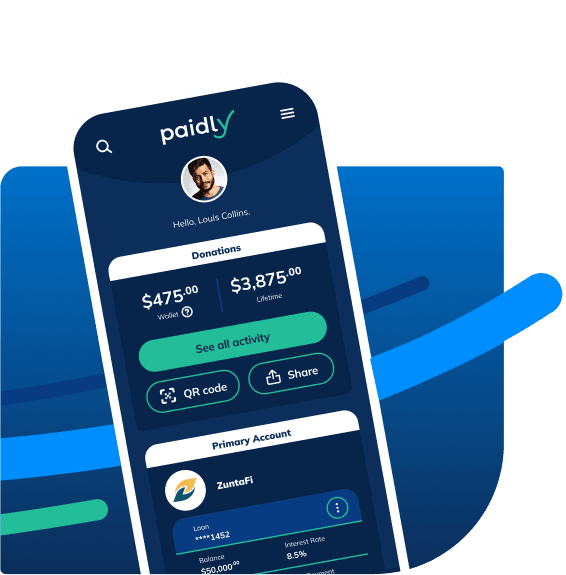
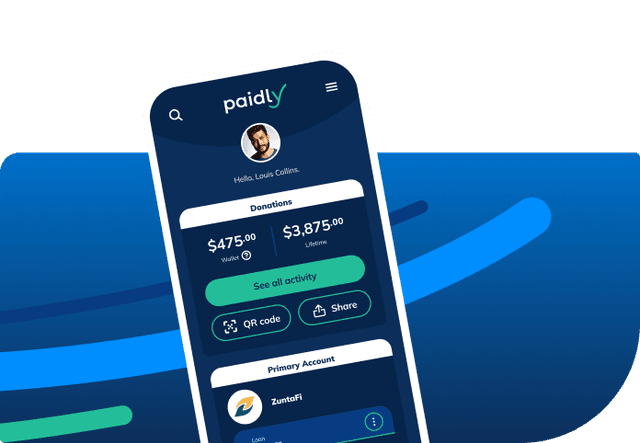
Your family, friends, and wider community can also help you pay off student loans. Putting monetary gifts toward your loans helps pay them down faster. You can also use a crowdfunding platform to directly connect donations to your loan, removing the need to cash checks or transfer funds.
- Crowdfunding Student Loans
- Friends Helping Friends: A Community-based Solution for Tackling Your Student Loan Debt
- Introducing the Paidly App: The Easy Way to Support Education and Crush Student Debt
- Introducing Paidly Groups: Team Up for College Savings & Loan Repayment

All yours in just a few taps
Gain financial awareness and take control of your debt, savings, and donations. Paidly is a convenient, connected way to get ahead with no pay-to-download or hidden fees.


You Got This!
Student loans can feel overwhelming, but with the right tools, knowledge, and support, you’ll start making real progress sooner than you think.
Team Paidly
Paidly is the go-to platform for rising above student debt. We specialize in innovative solutions, such as employer student loan assistance benefits, streamlined 529 plan contributions, and crowdfunding tools for individuals and their families. Backed by nearly two decades of experience in financial technology, Paidly is committed to simplifying student loan repayment, reducing loan dependency, and empowering students to take control of their finances no matter where they are in their educational journey.
Stay Ahead of the Curve
Get the latest insights on student loan repayment, 529 contributions, and maximizing employer benefits delivered to your inbox.
The information provided is of a general nature and an educational resource. It is not intended to provide advice or address the situation of any particular individual or entity. Any recipient shall be responsible for the use to which it puts this document. Paidly shall have no liability for the information provided. While care has been taken to produce this document, Paidly does not warrant, represent or guarantee the completeness, accuracy, adequacy, or fitness with respect to the information contained in this document. The information provided does not reflect new circumstances, or additional regulatory and legal changes. The issues addressed may have legal, financial, and health implications, and we recommend you speak to your legal, financial, and health advisors before acting on any of the information provided.
You may also like
Why I Started Paidly
We set out to stop student debt from making life decisions for employees.


The HR Guide to Using Your Entire Education Budget
Your education budget can do a lot more than just pay for tuition. Learn how adding student loan repayment can expand your benefits without expanding your budget.

Education Benefits You Should Know About
Education benefits like 529 savings, tuition reimbursement, and student loan repayment can help you reduce education costs during every stage of your career.