Refinancing Student Loans
Refinancing can be a helpful way to reshape your student loans, but the right choice depends on your goals, your finances, and what you’re willing to trade off.


Key Takeaways
- Refinancing replaces your current student loan with a new one, potentially lowering your interest rate, changing your monthly payment, or adjusting your payoff time. Small changes can have a meaningful impact on your repayment journey.
- It’s important to consider the trade-offs when refinancing a federal loan into a private one. Moving to a private lender means giving up federal protections like income-driven repayment and forgiveness, so assessing your situation is crucial.
- The best refinance option depends on your priorities. When shopping lenders, make sure to assess your current financial situation and what you value most in a new loan, which could mean saving money long-term or creating flexibility now.
- No matter what loan you have, Paidly has your back. Use Paidly to get repayment support for federal and private loans, whether that’s crowdfunding your student loans or gaining employer assistance (or both!).
Refinancing your student loans can feel like a big step, but it doesn’t have to be complicated. With the right approach, refinancing can help you lower your interest rate, reduce your monthly payment, or pay off your loans faster. However, it's important to remember that refinancing comes with trade-offs.
Whether you're just starting to explore your options or ready to compare lenders, here’s everything you need to know to help you make the right decision.
What is Student Loan Refinancing?
Student loan refinancing is when you take out a new loan to replace one or more existing loans. This new loan can come from your current private lender or a new private lender, and may allow you to change your loan terms, including:
- Interest rate
- Monthly payment
- Repayment timeline
- Fees and other conditions
- Loan servicer
Changing one or multiple of these components can drastically affect your repayment journey.
Why Refinance Student Loans?
Refinancing can be a powerful tool depending on your goals, but it isn’t one-size-fits-all. Here are some of the most common reasons people choose to refinance.
Lower Interest Rates
If your credit score has improved or rates have dropped, you may qualify for a lower interest rate than you currently have. Even a small reduction can save you hundreds or even thousands of dollars over the life of your loan.
Reduced Monthly Payments
Extending your repayment timeline or lowering your interest rate can reduce your mandatory monthly payment, giving your budget more breathing room. Some lenders, like Earnest, allow you to choose your monthly payment so you can pick a financial commitment that works with your circumstances.
Faster Loan Payoff
On the flip side, shortening your repayment timeline through refinancing can help you pay off debt sooner and reduce the total interest. Reducing the payoff time can also be helpful if your lender has prepayment penalties, or fees for paying off your loan before the initial loan term.
Simplify Finances
If you’re juggling multiple loans, refinancing can consolidate them into a single, easy-to-manage payment. That means you’ll only need to keep track of one due date.
Refinancing also allows you to remove a cosigner from your loan – or add one. Since refinancing results in a new loan, it’s the perfect time to either take on the loan yourself or add a cosigner who may help you get a lower interest rate.
Moving from Federal to Private Loans
The only way to refinance federal loans is to move to a private lender. Though federal loans often offer more protections, depending on your situation, private loans may offer lower rates or better loan terms.
A key thing to consider is your eligibility for loan forgiveness, because moving to a private lender means forfeiting the ability to have your loans waived.
Make sure you fully understand the trade-offs of moving from federal to private lenders before you choose to refinance. Read our article Federal vs. Private Student Loans: What’s the Difference? to learn more.
Steps to Take BEFORE Refinancing
Like any major financial decision, student loan refinancing takes some consideration and research. Here’s how to get started.
1. Assess Your Current Loan Situation
The first step is to look at your current loan terms and whether they’re working for you. The worst case scenario is refinancing your loan and then regretting it.
Here are some questions to ask yourself:
- Am I happy with my current loan terms?
- Does my monthly payment comfortably fit my current financial situation?
- Will I need income-driven repayment plans or payment pauses in the future?
- Am I eligible for (or actively working toward) loan forgiveness?
Reflecting on these questions and your loan terms in general will help you decide whether it’s time to refinance.
2. Check Your Credit and Financial Health
If you decide to refinance, you’ll need to assess your financial situation. Private lenders will look at your credit score, income, and debt-to-income ratio when deciding what to offer you. The stronger your profile, the better your loan terms. If your credit score is lower than you’d like it to be, consider working on that first before trying to refinance.
3. Decide Which Loan Terms to Prioritize
Because different lenders offer different loan terms, you’ll need to decide what to prioritize: short-term ease or long-term savings.
Choosing to focus on one or more of these components will help you narrow your lender search:
-
Interest rate. Your loan’s interest rate drastically changes how much you’ll pay over time. A lower interest rate often accompanies a shorter repayment term, so know that if you want to lower your rate, your monthly payments may increase.
-
Monthly payment. A reduced interest rate may change your quality of life over time, but your monthly payment changes your quality of life now. Reducing your required payment frees up usable money each month, but at the cost of extending your repayment timeline and interest accrual.
-
Repayment timeline. Your repayment timeline dictates how long you’ll have the loan and how much your monthly payment will be. Paying off your loan sooner means less interest accrued and less owed over time, but a longer payoff window makes your payments more affordable.
-
Fees. Some lenders charge for origination, early payoff, or late payments. No matter what loan you choose, make sure you understand what fees you’ll be responsible for. Not okay with prepayment penalties, for example? Look for lenders that don’t charge them, like ELFI.
4. Shop Around and Compare Lenders
Once you’ve assessed your loan situation and decided what to prioritize, it’s time to shop for your new loan! Many financial institutions offer student loan refinancing, and different lenders offer different interest rates and loan terms. Some lenders even let you choose components of your loan, so it’s important to shop around and get a feel for the lenders that might be a good fit for you.
Tip: Most lenders offer prequalification with a soft credit check, so you can compare rates without hurting your credit score.
No Matter What, Paidly Has Your Back
No matter what type of loan you have, Paidly offers additional ways to speed up your repayment journey.
When your employer offers Paidly as a benefit, you get access to direct employer contributions toward your loan or the ability to pay your loan directly from payroll. That’s real money going toward your balance, helping you pay down debt faster without changing your loan terms.

You can also use our app to crowdfund your student loans, inviting friends, family, and your broader community to contribute directly without the hassle of transferring funds. Whether it’s for a milestone or ongoing support, even small contributions help reduce your balance and the interest that comes with it.
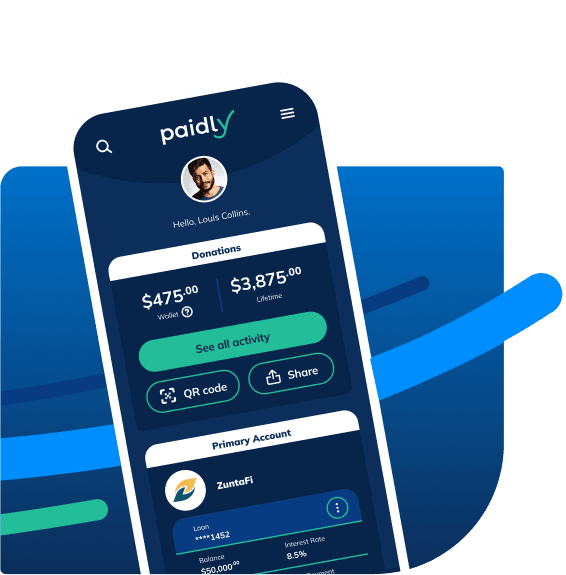
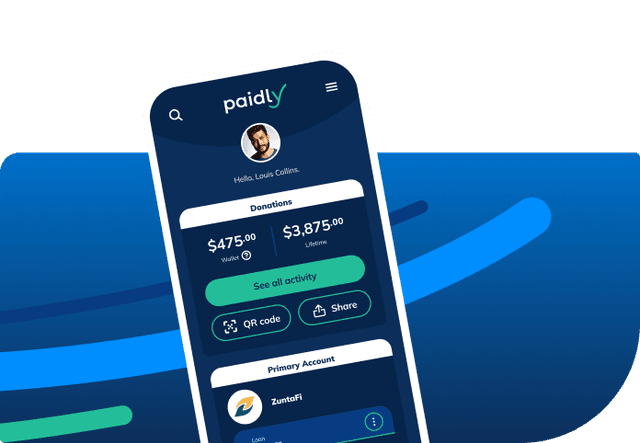

All yours in just a few taps
Gain financial awareness and take control of your debt, savings, and donations. Paidly is a convenient, connected way to get ahead with no pay-to-download or hidden fees.


Whether you refinance or stick with your current loan, Paidly helps you make meaningful progress toward paying off your student debt.
Learn more about crowdfunding student loans and gaining employer assistance.
Is Refinancing Right for You?
Refinancing can be a smart way to take control of your student loans and get terms that better fit your lifestyle. The most important thing is to make sure you’re getting the best loan terms for you. Take time to weigh the trade-offs, decide what you value most in a loan, and seek options that align with your goals.

Samantha Park
Samantha Park is a writer with a background in public service work. She earned a M.S. in Professional Writing from Towson University where she focused on writing for the private and public sectors, and has previously graduated with an A.A. in Psychology from Anne Arundel Community College and a B.A. in Sociology from the University of Maryland College Park. Samantha has worked within and alongside the public sector for over a decade and cares deeply about empowering marginalized youth, expanding access to opportunity through education, and increasing community involvement.
Stay Ahead of the Curve
Get the latest insights on student loan repayment, 529 contributions, and maximizing employer benefits delivered to your inbox.
The information provided is of a general nature and an educational resource. It is not intended to provide advice or address the situation of any particular individual or entity. Any recipient shall be responsible for the use to which it puts this document. Paidly shall have no liability for the information provided. While care has been taken to produce this document, Paidly does not warrant, represent or guarantee the completeness, accuracy, adequacy, or fitness with respect to the information contained in this document. The information provided does not reflect new circumstances, or additional regulatory and legal changes. The issues addressed may have legal, financial, and health implications, and we recommend you speak to your legal, financial, and health advisors before acting on any of the information provided.
You may also like
Why I Started Paidly
We set out to stop student debt from making life decisions for employees.


The HR Guide to Using Your Entire Education Budget
Your education budget can do a lot more than just pay for tuition. Learn how adding student loan repayment can expand your benefits without expanding your budget.

Education Benefits You Should Know About
Education benefits like 529 savings, tuition reimbursement, and student loan repayment can help you reduce education costs during every stage of your career.