ABLE Accounts and 529 Plans: A Flexible Savings Strategy
Learn how 529 plans and ABLE accounts work together to make your savings even more supportive.


Key Takeaways
- 529As, otherwise known as ABLE accounts, help individuals with disabilities build lifelong savings.
- ABLE grows tax-free and funds stay tax-free as long as they’re used on qualified expenses. Qualified expenses include housing, transportation, and medical care.
- Funds can rollover from a 529 plan to an ABLE account if needed. That keeps your options and savings flexible if plans change.
- Start preparing for whatever tomorrow looks like. Build lifelong savings with thoughtful budgeting, employer benefits, and community support.
When you start saving for a child’s future, it's impossible to know exactly what their life will look like. Unexpected challenges like a disability can change their educational, physical, and financial needs. Preparing for many future paths now can be the difference between scrambling to make ends meet and feeling secure later.
Luckily, 529 plans – with their ability to roll over to an ABLE account – let your savings adapt when needed. Let’s get into why that flexibility matters and how 529s and ABLE work together to create a true safety net for whatever the future holds.
What is ABLE?
529As, better known as ABLE accounts, are tax-advantaged savings for individuals whose disabilities started before age 46. Funds grow tax-free and can be withdrawn tax-free for a wide range of living expenses.
529As were introduced in 2014 through the Achieving a Better Life Experience (ABLE) Act and made permanent by the One Big Beautiful Bill Act in 2025.
What Can ABLE Funds Be Used On?
Unlike traditional 529s, 529As cover day-to-day living expenses:
- Education
- Housing
- Transportation
- Employment training and support
- Assistive technology
- Personal support services
- Health
- Prevention and wellness
- Financial management
- Administrative services
- Legal fees
- Expenses for oversight and monitoring
- Funeral and burial expenses
Funds can be used lifelong and ABLE savings do not affect qualification for income-restricted benefits like SNAP or Medicaid, meaning you can build savings while still getting the support you need.
Who Can Have an ABLE Account?
To qualify for ABLE, the beneficiary must:
- Have a disability that started prior to age 46,
And either:
- be receiving Supplemental Security Income (SSI) or Social Security Disability Insurance (SSDI) benefits; or
- have signed documentation from a qualified physician
The Difference Between 529s and 529As
The main difference between 529s and 529As is who can open an account and what the funds can be used on.
Though you must meet certain criteria to be eligible for an ABLE account, anyone can open a 529. One of the biggest advantages of 529 savings in general is flexibility. If the beneficiary later qualifies for an ABLE account, funds can be rolled over with no penalty, helping protect savings so they can be used where needed most.
ABLE accounts, like 529s, grow tax-free and stay tax-free as long as funds are used on qualified expenses. Unlike 529s, contributions are not tax-deductible and a recipient can only have one ABLE account at a time. Contributions to ABLE accounts (including any 529 rollovers) are limited to the annual gift tax limit ($20k as of 2026).
Luckily, you are not limited to just a 529 or an ABLE account – you can have both! It’s worth looking into your options (including other future savings vehicles) in order to choose the one that’s right for your circumstances.
| 529 Coverage | 529A (ABLE) Coverage |
|---|---|
| Tuition, fees, and supplemental education | Education |
| Dual-enrollment programs | Housing |
| Placement and achievement testing | Transportation |
| Essential education supplies | Employment training and support |
| On-campus room and board or off-campus housing | Assistive technology |
| Meal plan expenses | Personal support services |
| Skilled trades and vocational programs | Health |
| Credentialing expenses | Prevention and wellness |
| Licensure fees | Financial management |
| Continuing education | Administrative services |
| Technology | Legal fees |
| Educational therapies | Expenses for oversight and monitoring |
| Student loan repayments | Funeral and burial expenses |
Ready to start a 529 savings account? Compare plans and their tax-benefits with our State 529 finder tool.
How to Build Up Savings
Opening and maintaining a savings account are two very different things. For many individuals living with a disability, building savings can feel especially challenging. Research shows that living with a disability means needing 28% more income to maintain the same standard of living as those without disabilities. That makes it harder to cover everyday expenses, let alone prepare for the future.
Building financial security doesn't have to happen all at once or all on your own. Consistently contributing even small amounts add up over time, especially when you take advantage of the support available to you.
Here are a few ways to make saving more manageable:
- Create a monthly budget and figure out how much you can afford to set aside
- Set up automatic contributions so you don’t have to think about transferring funds
- Put unexpected money toward the account, like bonuses or IOUs
- Seek employer support with contribution benefits or payroll deductions
- Ask for community donations during times of celebration or need
You Don’t Have to Do It Alone
One of the biggest misconceptions about saving is that you have to do it all on your own. In reality, many of the best savings strategies involve building a support system.
Employers can offer benefits like payroll deductions or contributions to a 529 plan, making it easier to save consistently. Friends and families can also crowdfund their 529s, giving a more impactful option for gifts during milestones or to repay an IOU. Big or small, every contribution helps strengthen your financial safety net.
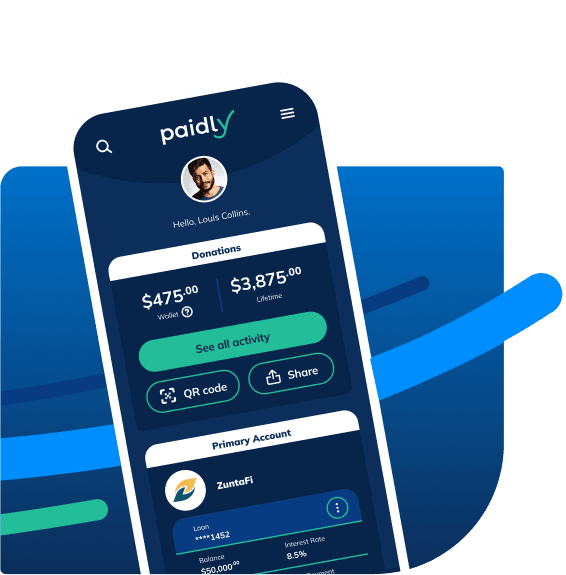
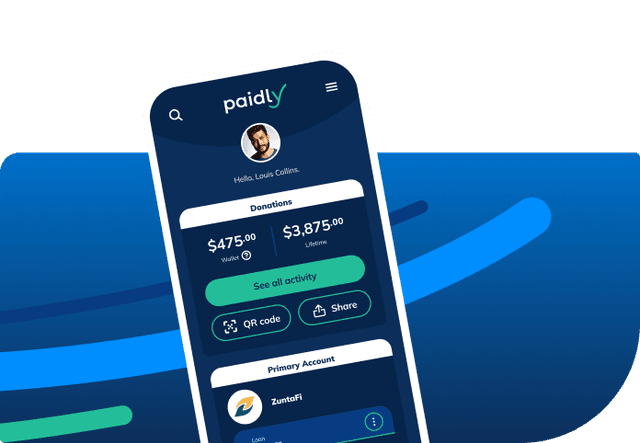
Platforms like Paidly make it easier to bring those sources of support together, allowing employer contributions, payroll deductions, and gifts from family and friends to work toward the same savings goal.

All yours in just a few taps
Gain financial awareness and take control of your debt, savings, and donations. Paidly is a convenient, connected way to get ahead with no pay-to-download or hidden fees.


It’s Never Too Early to Prepare
None of us know exactly what tomorrow will bring, but the right savings strategy lets you adapt as needed. With tax-free ABLE rollovers, your 529 savings can evolve alongside your family's needs. Whether your goal is college, lifelong independence, or simply greater financial flexibility, building a safety net now can make all the difference later.

Samantha Park
Samantha Park is a writer with a background in public service work. She earned a M.S. in Professional Writing from Towson University where she focused on writing for the private and public sectors, and has previously graduated with an A.A. in Psychology from Anne Arundel Community College and a B.A. in Sociology from the University of Maryland College Park. Samantha has worked within and alongside the public sector for over a decade and cares deeply about empowering marginalized youth, expanding access to opportunity through education, and increasing community involvement.
Stay Ahead of the Curve
Get the latest insights on student loan repayment, 529 contributions, and maximizing employer benefits delivered to your inbox.
The information provided is of a general nature and an educational resource. It is not intended to provide advice or address the situation of any particular individual or entity. Any recipient shall be responsible for the use to which it puts this document. Paidly shall have no liability for the information provided. While care has been taken to produce this document, Paidly does not warrant, represent or guarantee the completeness, accuracy, adequacy, or fitness with respect to the information contained in this document. The information provided does not reflect new circumstances, or additional regulatory and legal changes. The issues addressed may have legal, financial, and health implications, and we recommend you speak to your legal, financial, and health advisors before acting on any of the information provided.
You may also like
Why I Started Paidly
We set out to stop student debt from making life decisions for employees.


The HR Guide to Using Your Entire Education Budget
Your education budget can do a lot more than just pay for tuition. Learn how adding student loan repayment can expand your benefits without expanding your budget.
Education Benefits You Should Know About
Education benefits like 529 savings, tuition reimbursement, and student loan repayment can help you reduce education costs during every stage of your career.