
Education Benefits You Should Know About
Education benefits like 529 savings, tuition reimbursement, and student loan repayment can help you reduce education costs during every stage of your career.

Key Takeaways
- Education benefits let your employer invest in your education, making the journey easier and more cost-effective.
- There’s education benefits for every stage in your career, regardless of whether you’re a former, current, or future student (or saving for a loved one’s education).
- Many employers offer financial support through 529 contributions, tuition reimbursement, continuing education assistance, or student loan repayment.
- Ask your HR department about education benefits available to you and consider asking for ones you’d like to see that aren’t offered yet.
Education doesn't stop because of employment. Whether you're saving for future schooling, earning a degree, building new skills, maintaining a professional license, or paying off student loans, education can be a significant investment throughout your career.
The good news? You don't have to make that investment alone. Your employer may offer benefits that can help you save for, pay for, or make time for education. Let's look at some of the options available so you can find the benefits that fit your needs.
529 Plan Contributions
If you're saving for your own education or helping a loved one prepare for the future, a 529 plan is one of the most flexible education savings tools available.
A 529 plan is a tax-advantaged education savings account that grows tax-free and stays tax-free if funds are used on qualified expenses (which cover K-12, higher education, and workplace upskilling!). Your employer can help you build your 529 funds with employer benefits:
- One-time or recurring employer contributions
- Payroll deductions straight to your 529 account
- Crowdfunding options that allow friends and family to contribute
529s are for children and adult learners alike. Ask your HR department what 529 benefits are available to you.
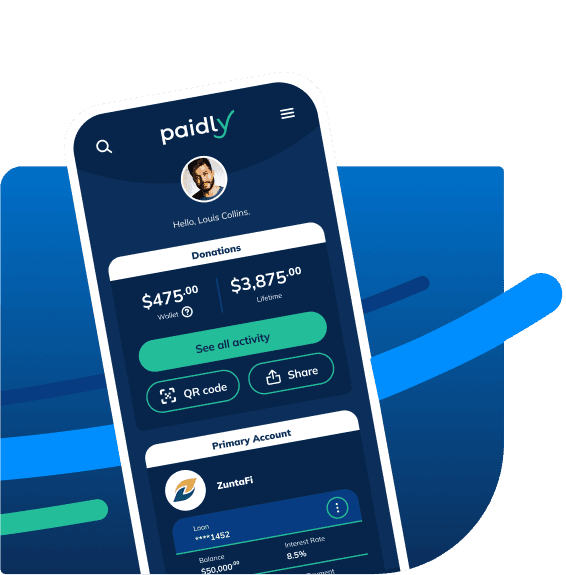
Did you know? You can crowdfund your 529 plans and student loans using the Paidly app!

All yours in just a few taps
Gain financial awareness and take control of your debt, savings, and donations. Paidly is a convenient, connected way to get ahead with no pay-to-download or hidden fees.


Educational Leave
Balancing work and school isn't easy, which is why some employers offer educational leave.
Educational leave allows employees to dedicate part of their work schedule to pursuing education while continuing to receive pay. This benefit is most common in some government and private sector roles, helping employees build new skills without sacrificing income.
If your employer doesn't offer educational leave, consider asking about a flexible work schedule that better supports your goals.
Tuition Reimbursement
Already taking classes? Tuition reimbursement can significantly lower your education costs.
With tuition reimbursement, you typically pay for your courses upfront and your employer reimburses you after you successfully complete them. Some employers cover the full cost, while others reimburse a portion.
If you're planning to enroll in courses or are currently a student, ask HR about tuition reimbursement – you may be eligible for more support than you realize.
Continuing Education Assistance
Many careers require continuing education credits, certifications, or professional licenses to stay current. These costs add up fast, especially for early-career professionals. Luckily, some employers help cover these costs:
- Reimbursement for continuing education expenses
- Paying providers directly and upfront
- Contributing to a 529 plan that can be used for eligible continuing education, credentialing, and licensure expenses
If continuing education is part of your profession, ask what support your employer offers.
Student Loan Repayment
If you've already completed your education, your employer may be willing to help you pay down your student loans.
Employer student loan repayment assistance can include:
- One-time or recurring employer contributions toward your loans
- Payroll deductions so money goes straight to paying down debt
- Crowdfunding options that allow others to help with repayment
Even modest employer student loan benefits can help reduce interest costs and shorten your repayment timeline. If your employer doesn't currently offer this benefit, consider asking your HR team about adding it.
Did you know? Employers can contribute up to $5,250 annually toward an employee’s student loans tax-free.

Employers Can Help You Invest In Your Education
Education is a lifelong investment. Whether you're planning for future schooling, currently enrolled, advancing your career, or paying off student loans, there's likely an education benefit worth exploring.
Start by talking with your HR department about what's already available to you. And if there's a benefit you value that isn't offered yet, don't be afraid to ask. The right education benefit can help you save money today while investing in your education and your future.
Team Paidly
Paidly is the go-to platform for rising above student debt. We specialize in innovative solutions, such as employer student loan assistance benefits, streamlined 529 plan contributions, and crowdfunding tools for individuals and their families. Backed by nearly two decades of experience in financial technology, Paidly is committed to simplifying student loan repayment, reducing loan dependency, and empowering students to take control of their finances no matter where they are in their educational journey.
Stay Ahead of the Curve
Get the latest insights on student loan repayment, 529 contributions, and maximizing employer benefits delivered to your inbox.
The information provided is of a general nature and an educational resource. It is not intended to provide advice or address the situation of any particular individual or entity. Any recipient shall be responsible for the use to which it puts this document. Paidly shall have no liability for the information provided. While care has been taken to produce this document, Paidly does not warrant, represent or guarantee the completeness, accuracy, adequacy, or fitness with respect to the information contained in this document. The information provided does not reflect new circumstances, or additional regulatory and legal changes. The issues addressed may have legal, financial, and health implications, and we recommend you speak to your legal, financial, and health advisors before acting on any of the information provided.
You may also like
Why I Started Paidly
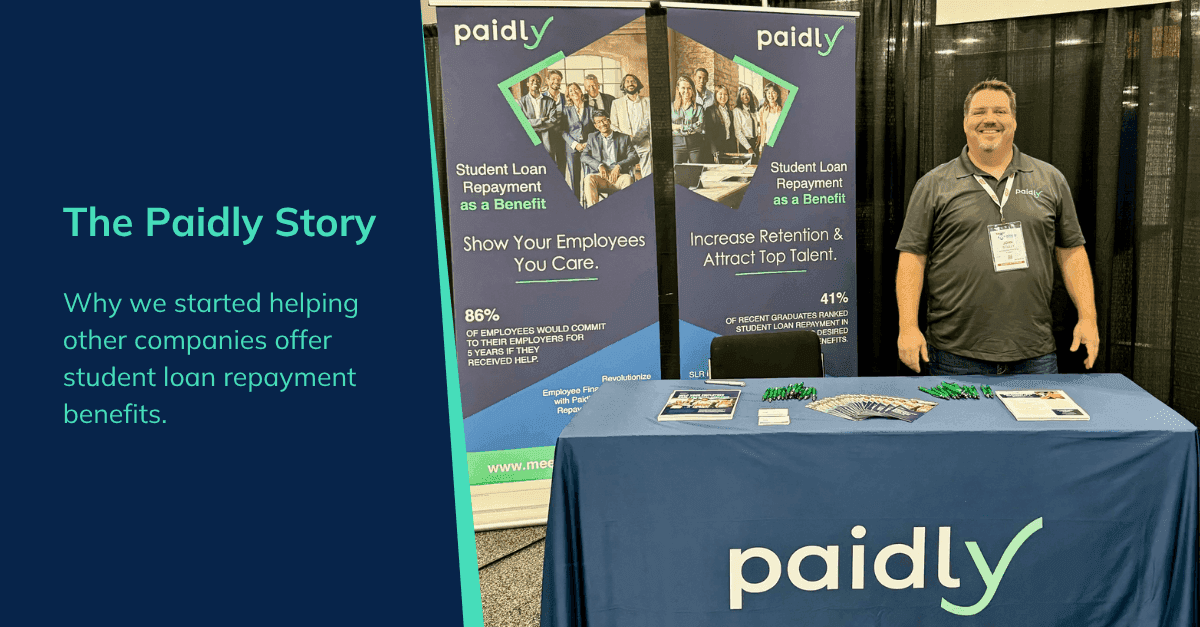
We set out to stop student debt from making life decisions for employees.


The HR Guide to Using Your Entire Education Budget
Your education budget can do a lot more than just pay for tuition. Learn how adding student loan repayment can expand your benefits without expanding your budget.

ABLE Accounts and 529 Plans: A Flexible Savings Strategy
Learn how 529 plans and ABLE accounts work together to make your savings even more supportive.
