What is Loud Budgeting?
Learn how “loud budgeting” can help you reach your financial goals, especially when it comes to paying down student loans or building 529 college savings.


Key Takeaways
- Loud budgeting is being open and intentional about your financial priorities so your spending (or lack of it) better aligns with your goals.
- Practicing loud budgeting means involving others, and should include setting specific goals, being direct about your choices, and openly sharing what you’re working toward.
- Part of loud budgeting is leaning on your community. With Paidly, friends and family can donate directly to your 529 savings and student loans – no checks or transfers required.
- Employers can also help support your goals through benefits. Employers can contribute to your loans tax-free with a Paidly benefit, helping you reach your goals faster.
We’ve been taught to keep our finances “quiet”: don’t talk about your salary, hide your debt, and definitely don’t admit you’re skipping the group trip because your bank account is stretched thin.
But that mindset is finally fading, making room for a new strategy: loud budgeting.
Loud budgeting is about being clear and upfront about your financial priorities. It lets others know where you’re headed and allows them to help you get there. If you’re navigating education finances this year, that kind of transparency really works in your favor.
Let’s get into what you need to know to start loud budgeting.
What is Loud Budgeting?
Loud budgeting is pretty much the opposite of quiet luxury. Instead of pretending you can afford everything, you’re choosing to be honest about where your money is going.
- The old way: You make up an excuse to skip a $100 brunch.
- The loud way: “I’d love to see you, but I’m focused on paying off my debt this month. Want to grab coffee and go for a walk instead?”
It’s all about being intentional and transparent so you can make choices that align with your goals.
The Loud Budgeting Strategy
There are plenty of ways to bring others into your financial goals. The key is being clear and consistent about what matters to you.
Here’s how you can get started:
- Solidify your financial priorities. Get specific about what you’re working toward. Maybe you’re paying off a certain amount of student debt, lowering your monthly payment, or hitting a savings milestone – no matter what your goal is, solidifying it helps maintain focus and makes it easier to explain your “why” to others.
- Be direct. Get comfortable saying no to expenses that don’t match your priorities. It doesn’t have to be awkward or overly detailed; simple and honest usually works. Most people respect being direct more than vague excuses.
- Share your goals with others. Talking about your financial priorities can feel uncomfortable at first, but it often opens the door for more supportive, honest conversations. You might be surprised how many people relate, or even want to join you.
- Ask for what you want. Support doesn’t always show up on its own. Whether it’s asking about employer benefits, suggesting lower-cost plans with friends, or inviting contributions toward your savings or loans, being upfront gives people a chance to show they care in a meaningful way.
Two Ways to Be “Loud” About Education Finances
Being vocal about your finances helps you stay accountable while inviting support. You may not realize you can tap into your personal network or make the most of your workplace benefits in order to make progress. Know that there are practical ways to bring others into your savings or repayment journey.
Crowdfunding Student Loans and 529s with Your Community
Paying down student debt or saving for a child’s education doesn’t have to be a solo effort. For a lot of people, one of the most overlooked options is simply letting others help.
Crowdfunding your student loans and 529 plans means giving your network an easy way to contribute, whether it’s for a birthday, graduation, holiday, or just because they want to support you and your family.
Why it works:
- People want to help, but don’t always know how. A direct contribution to your savings or loans can be more impactful than a traditional gift.
- Small amounts add up. A few contributions here and there can make a noticeable difference over time.
- It keeps you accountable. Sharing your goals makes them feel more real and encourages you to stick with it.
How to approach it: Leading up to celebratory times like birthdays or holidays, you might say: “I’m focusing on building up my college savings this year. No pressure at all, but if you were planning to get me something, a contribution toward that goal would mean a lot.”
Sharing this with your loved ones lets them know how to support you in a way that’s meaningful for you. They might not realize it’s a gift they can give until you mention it! Plus, you can use a crowdfunding platform like Paidly to receive contributions straight to student loans or 529 savings plans with no check or transfers required, making the process simple for both of you.
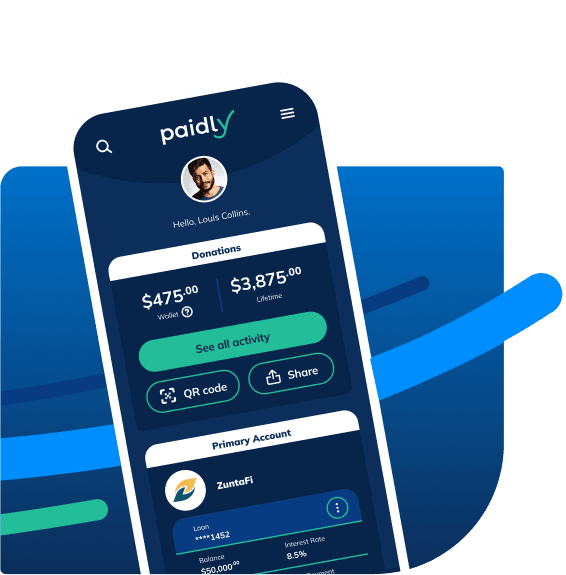
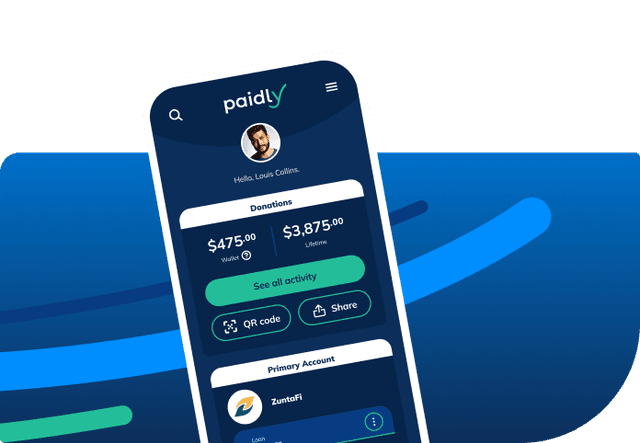

All yours in just a few taps
Gain financial awareness and take control of your debt, savings, and donations. Paidly is a convenient, connected way to get ahead with no pay-to-download or hidden fees.


Asking for Employer Student Loan Assistance and 529 Benefits
Student loan repayment and building college savings doesn’t have to rely entirely on your own monthly budget. If you’re employed, there’s a good chance part of the solution could come from your benefits package.
Employers can contribute up to $5,250 per year directly toward your student loans tax-free – and certain states provide tax-incentives for 529 contributions, too – so assistance is worth asking for if it’s not already offered. It’s one of the more practical (and still underused) ways to make steady progress without stretching your own cash flow.
Why it works:
- Ask and you might receive. Many employers are unaware of how helpful student loan assistance or 529 savings contributions would be to their employees. Voicing the need can help move the needle in your favor.
- It builds momentum quickly. Consistent employer contributions can shorten your repayment or savings timeline. For student loans, it can drastically reduce the amount you pay in interest long-term.
- It’s cost-effective for your employer. From an employer’s perspective, it’s a way to increase compensation that’s more cost-effective than increasing salary because of the tax-advantage.
How to approach it: You may want to bring up student loan assistance and 529 savings benefits during conversations around compensation or performance.
You might say something like: “I’ve been really focused on paying down my student loans. Is there anything in our benefits that supports that? If not, is it something you would consider adding?”
You won’t know if you don’t try! They might seriously consider adding to your benefits package if you make a good case for it. Plus, student loan assistance and 529 savings benefits through platforms like Paidly streamline the process for employers and employees by putting contributions directly into your account.

Loud Budgeting Helps You Reach Your Goals
There’s a shift that happens when you stop treating your finances as something to hide: conversations around money get easier and progress starts to feel achievable because you’re not carrying the burden alone.
Loud budgeting helps remove the stigma around personal finances, especially when it comes to student loan repayment and 529 savings. When you’re upfront about your goals, it becomes much easier to take advantage of the tools and support systems available to you.
So whether your next step is turning down a night out, starting a conversation with your employer, or sharing your goals with friends and family, don’t be afraid to say it out loud.

John Scully, CEO
John Scully is a seasoned executive leader with a strong background in business operations and technology. As Co-Founder of Paidly Student Loan Benefits, he empowers employers to enhance talent recruitment and retention through a cloud-based platform that allows tax-free student loan payments. With experience in industries like healthcare and fintech, John has held leadership positions at companies such as Sharp Notions and the University of Rochester Medical Center. Holding an MBA from the University of Rochester and a B.S. from Excelsior College, John is dedicated to helping organizations and individuals navigate the complexities of Fintech, especially student loan payments.
Stay Ahead of the Curve
Get the latest insights on student loan repayment, 529 contributions, and maximizing employer benefits delivered to your inbox.
The information provided is of a general nature and an educational resource. It is not intended to provide advice or address the situation of any particular individual or entity. Any recipient shall be responsible for the use to which it puts this document. Paidly shall have no liability for the information provided. While care has been taken to produce this document, Paidly does not warrant, represent or guarantee the completeness, accuracy, adequacy, or fitness with respect to the information contained in this document. The information provided does not reflect new circumstances, or additional regulatory and legal changes. The issues addressed may have legal, financial, and health implications, and we recommend you speak to your legal, financial, and health advisors before acting on any of the information provided.
You may also like
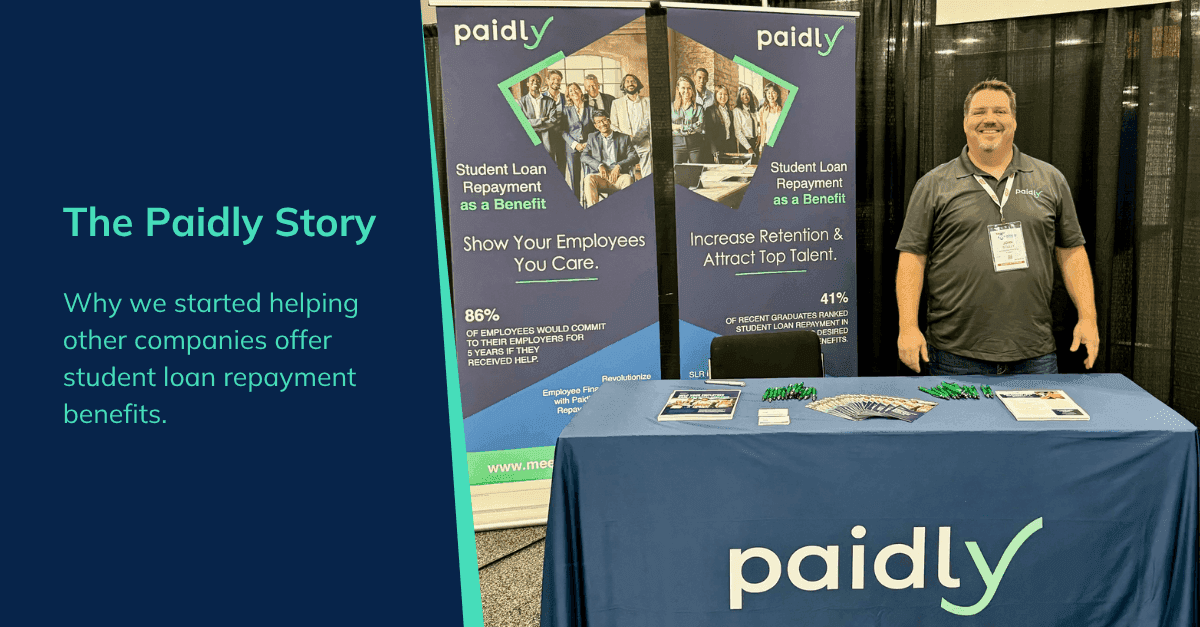
Why I Started Paidly
We set out to stop student debt from making life decisions for employees.


The HR Guide to Using Your Entire Education Budget
Your education budget can do a lot more than just pay for tuition. Learn how adding student loan repayment can expand your benefits without expanding your budget.

Education Benefits You Should Know About
Education benefits like 529 savings, tuition reimbursement, and student loan repayment can help you reduce education costs during every stage of your career.